Colour is one of the first things a buyer specifies, but it quietly affects cost, shelf life and recyclability. Here is how PET preform colour actually works.
How colour is added
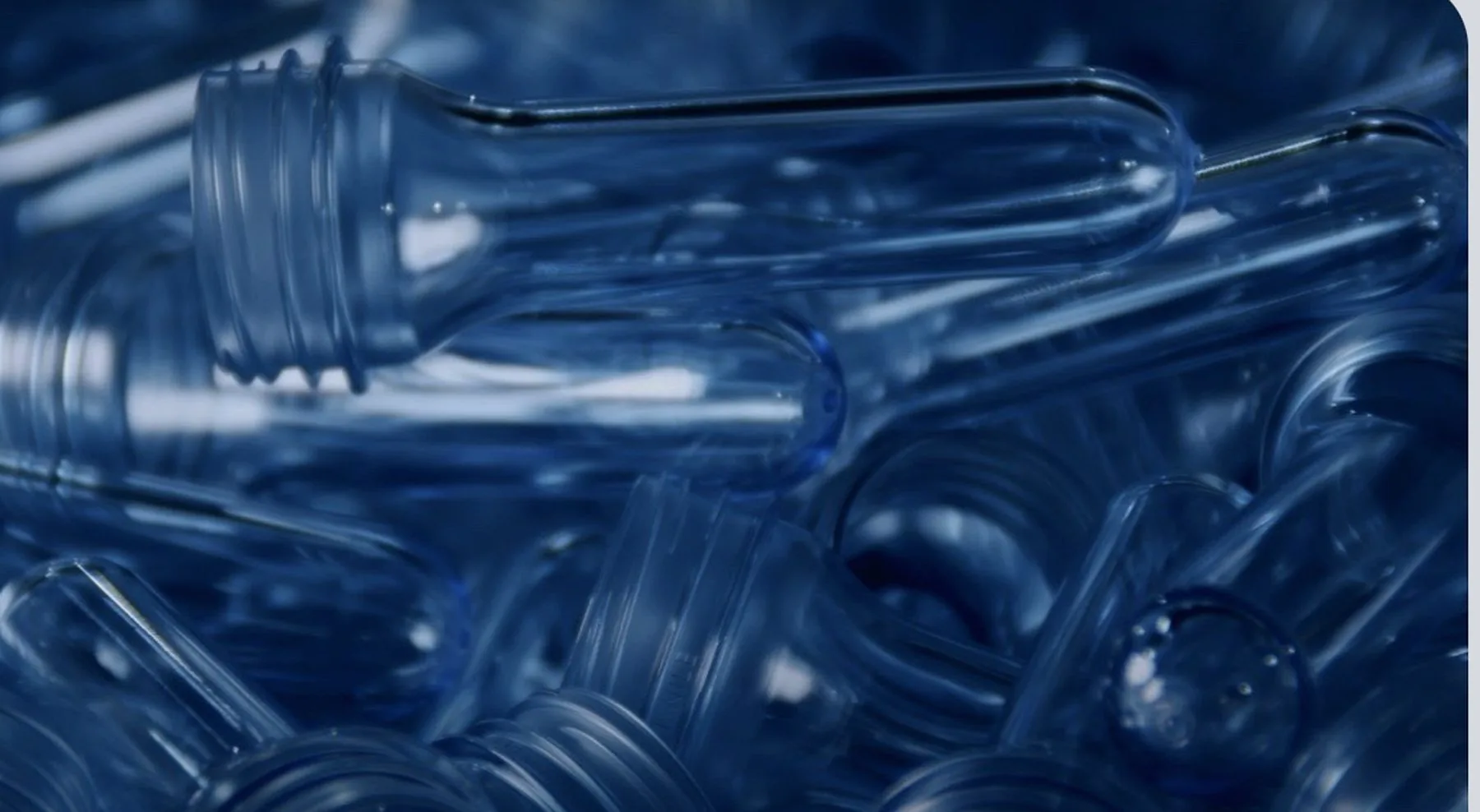
PET preforms are moulded from clear resin; colour comes from a masterbatch (a concentrated pigment carrier) dosed into the melt at a small percentage. Because it is dosed at injection, almost any tint is possible without changing the preform tool — only the dosing recipe changes.
Common colours by application
Water is usually clear or a light "ice" blue to signal freshness. CSD is typically clear, sometimes a light green for lemon-lime. Edible oil stays clear or a light yellow so the product shows. Juice & dairy often use white/opaque to protect light-sensitive contents.
Light & UV protection
For light-sensitive products (dairy, some juices, certain oils), an opaque white or a UV-blocking additive protects the contents and extends shelf life. This trades against recyclability — clear and lightly-tinted PET recycles into the highest-value stream, while heavily-pigmented or opaque PET is harder to recycle.
Specifying colour with Delta
Give us the target tint (or a Pantone / sample), the application and whether light protection is needed. Filter the catalogue and start a request in the Product Finder, or build an RFQ with your colour note — colour is set by the masterbatch recipe, so it rarely changes lead time on a catalogue SKU.