Lightweighting a carbonated soft drink (CSD) preform saves resin and CO₂ on every bottle — but a CSD bottle is a pressure vessel, so going too light risks burst or long-term creep. The goal is to cut grams down to the safe floor, not past it.
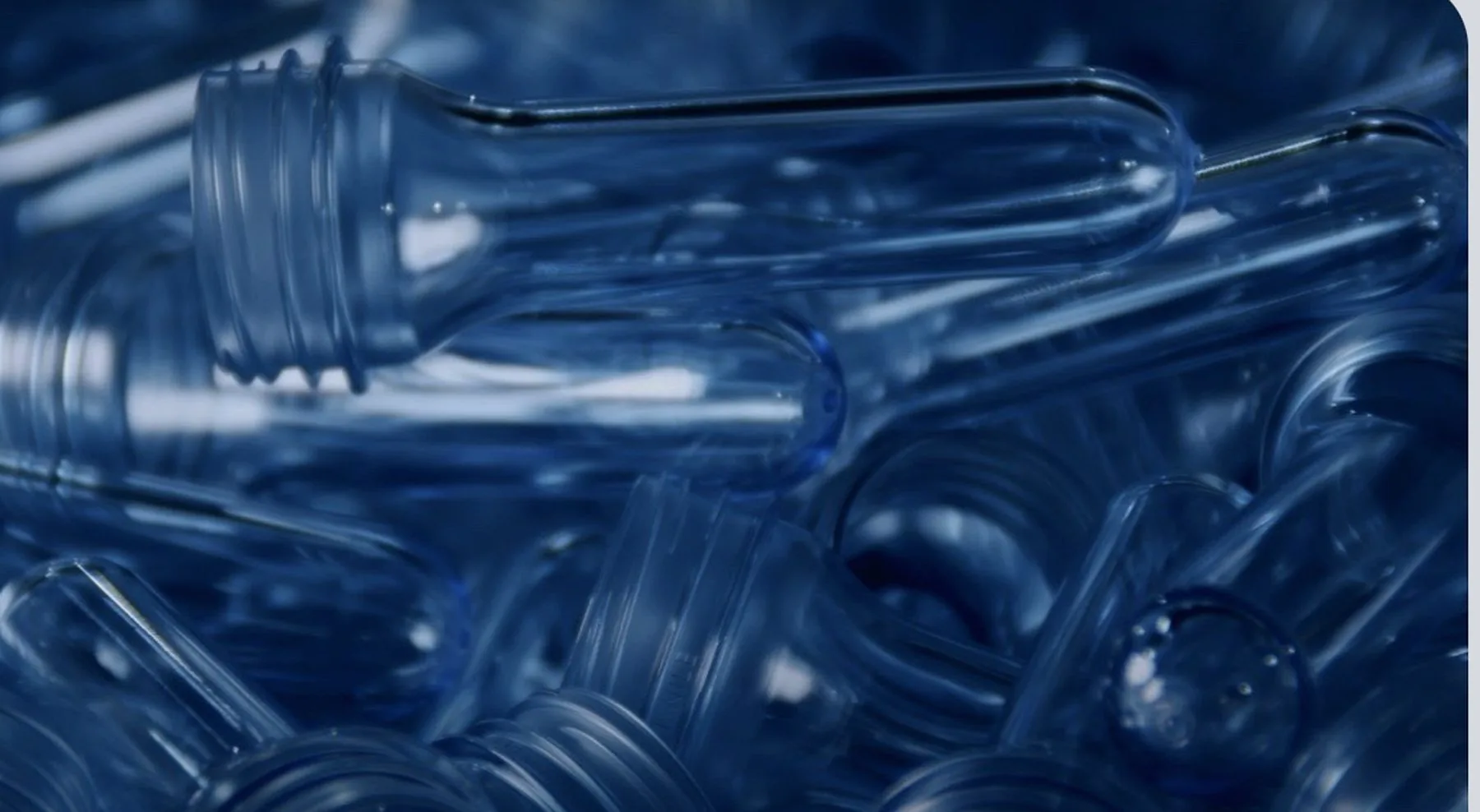
CSD is a pressure vessel — respect the floor
Still water and CSD at the same volume are not interchangeable: the CSD wall must hold dissolved CO₂ pressure. Each carbonation level has a minimum safe weight; below it the wall over-stretches and can fail in the field. Delta El Nile’s tools floor every recommendation to the carbonation tier and never suggest the lightest preform for high-carbonation cola.
Know your carbonation tier
Define the target CO₂ volumes first: low (≤2.6 vol), standard (2.6–3.8 vol) and high / cola (>3.8 vol). Higher carbonation needs more wall — and therefore more grams — at the same bottle size.
Stay inside the stretch window
Lighter preforms stretch further. Keep the axial (ASR ≈ 2.0–2.5), hoop (HSR ≈ 3.0–4.4) and total (TSR ≈ 8–12) stretch ratios inside their windows; outside the hard limits the design needs engineering review before production.
Validate before you commit
Enter your bottle and current weight in the Preform Engineering calculator — it matches a burst-safe Delta preform, shows the stretch fit and the gram saving, and flags anything outside limits. Then see the resin and CO₂ payoff at your annual volume in Order & Impact. Final burst and creep validation is confirmed by Delta engineering.